Line Collection Set: Practical Icons for Modern Design Projects
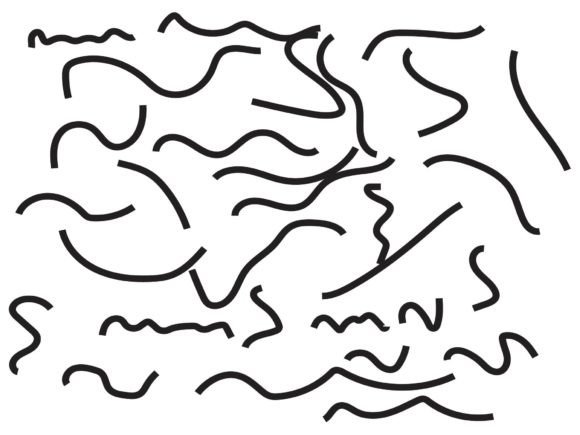
Finding the right visual elements can often feel like searching for a needle in a haystack. You have a concept in mind, perhaps for a new landing page or a printed brochure, but the stock icons you find are either too bulky, overly colorful, or just don’t match the minimalist aesthetic you are aiming for. This is where a curated Line Collection Set becomes an invaluable asset. Unlike generic clip art, these beautiful unique line collection set icons are designed with precision and versatility in mind, offering a clean, modern look that fits seamlessly into professional business designs and creative personal projects alike.
The appeal of line art lies in its simplicity. It communicates ideas without clutter, allowing your content to breathe. When you invest in a high-quality set, you are not just buying images; you are acquiring a toolkit that speeds up your workflow and elevates the perceived value of your brand. Whether you are a seasoned graphic designer or a small business owner handling your own marketing, having access to consistent, scalable vector graphics can make the difference between a amateurish layout and a polished, professional presentation.
Why Line Art Works for Diverse Design Needs
Line icons are incredibly versatile because they rely on form rather than fill. This makes them adaptable to various background colors and design themes. A solid black line icon can look striking on a white background, while the same icon in white can pop against a dark mode interface. This flexibility is crucial for modern web design, where users often switch between light and dark themes. Furthermore, line art tends to load faster and render more cleanly on different screen sizes, from large desktop monitors to small mobile devices.
When we talk about a comprehensive package, we are referring to more than just a few scattered images. A robust collection provides consistency. Imagine trying to build a website where one icon has thick strokes, another has thin strokes, and a third has a completely different corner radius. It creates visual dissonance. A unified Line Collection Set ensures that every element, from a shopping cart to a user profile symbol, shares the same geometric DNA. This consistency builds trust with your audience, as it signals attention to detail and professional standards.
Real-World Applications for Entrepreneurs and Marketers
For entrepreneurs and marketers, time is money. You do not have hours to spend tweaking individual SVG paths in Illustrator. You need assets that are ready to deploy. Here is how different professionals can leverage these resources in their daily workflows:
- Web and App Developers: Clean icons are essential for navigation bars, feature lists, and call-to-action buttons. Using SVG files ensures that your icons remain crisp at any resolution, improving the overall user experience.
- Content Creators and Bloggers: Breaking up long blocks of text with relevant visuals increases readability. Line icons can serve as bullet points or section headers, guiding the reader’s eye through your article without distracting from the message.
- Small Business Owners: Whether you are designing a menu for your cafe, a price list for your consultancy, or a flyer for a local event, consistent icons help organize information. They allow customers to scan details quickly, such as opening hours, payment methods, or service categories.
- Educators and Trainers: In presentations and e-learning modules, visual aids help reinforce concepts. Simple line drawings can illustrate processes, hierarchies, or relationships between ideas more effectively than text alone.
Consider a freelance consultant preparing a pitch deck. Instead of using generic, colorful stock photos that might clash with the client’s branding, they can use subtle line icons to represent key metrics like growth, security, and collaboration. This approach keeps the focus on the data and the narrative, rather than competing with loud visuals.
Understanding the File Formats and Their Benefits
One of the most critical aspects of choosing a design resource is understanding what you are actually getting. A high-quality Line Collection Set should offer multiple file formats to accommodate different software and use cases. Here is why the specific deliverables matter:
PNG Files (300dpi): Portable Network Graphics are raster images, meaning they are made of pixels. The 300dpi (dots per inch) resolution is the standard for high-quality printing. If you are designing business cards, brochures, or packaging, PNGs ensure your icons look sharp and professional on paper. However, remember that PNGs do not scale infinitely; enlarging them too much will result in pixelation.
SVG Files: Scalable Vector Graphics are the gold standard for digital design. Because they are based on mathematical paths rather than pixels, you can resize an SVG from the size of a favicon to the size of a billboard without losing any quality. This format is ideal for websites, apps, and digital presentations. Having both vertical and horizontal orientations available gives you further flexibility in layout design.
EPS and AI Files: These are editable vector formats compatible with Adobe Illustrator and other professional design software. Having an Ai file with all designs allows you to customize the icons further. You might want to change the stroke width, adjust the length of a line, or combine two icons to create a custom composite. The EPS files provide compatibility for older software or other vector programs, ensuring that no matter what tool you use, you can access and edit the core designs.
JPG Files: While less flexible than PNG or SVG, JPGs are universally supported and have smaller file sizes. They are useful for quick previews, email attachments, or platforms that do not support transparency or vector formats.
What to Consider Before Downloading
Before you integrate a new icon set into your workflow, take a moment to evaluate your specific needs. Not all line art is created equal. Some sets may have strokes that are too thin for small print applications, while others may be too complex for quick recognition at small sizes. Look for a balance between detail and simplicity.
Also, consider the scope of the collection. A set offering 120 unique designs covers a wide range of common business and lifestyle topics, from technology and finance to communication and logistics. This breadth reduces the need to mix and match icons from different sources, which often leads to stylistic inconsistencies. Check if the set includes both vertical and horizontal orientations, as this can save significant time when adapting icons for different layout constraints, such as wide banner ads versus square social media posts.
Finally, think about longevity. Trends in design come and go, but clean line art tends to remain timeless. By choosing a classic, understated style, you ensure that your materials will not look outdated in six months. This is particularly important for brand identity elements that you intend to use across multiple campaigns and years.
Making the Most of Your Design Assets
Owning the files is only the first step. To truly benefit from a Line Collection Set, you should experiment with how these icons interact with your existing brand elements. Try pairing them with your brand’s primary color palette. Use them as background watermarks with reduced opacity to add texture to your documents. Combine them with bold typography to create striking headlines.
For those who are not professional designers, start by using the PNGs for drag-and-drop simplicity in tools like Canva or Microsoft Word. As you become more comfortable, explore the SVGs in web builders or presentation software. If you have access to vector editing tools, dive into the AI files to tweak and customize. The goal is to make these assets work for you, enhancing your communication rather than just decorating it.
In a world saturated with visual noise, clarity is a competitive advantage. A well-chosen set of line icons helps you achieve that clarity, making your messages easier to understand and your designs more appealing. Whether you are launching a startup, teaching a class, or simply organizing your personal blog, these tools provide the structural support your visuals need to succeed.