Mastering 3D Star Rating Icons for Feedback
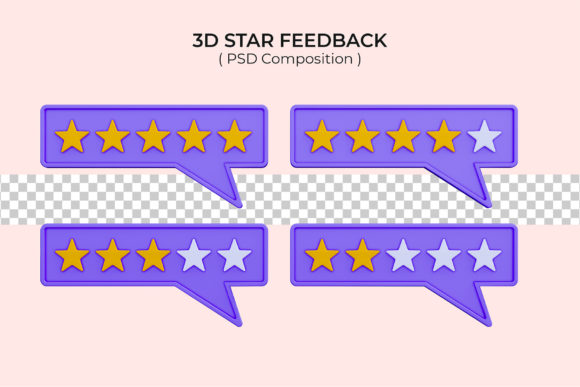
In the digital landscape, trust is often visualized before it is verbalized. When a potential customer lands on your product page or service portfolio, their eyes instinctively scan for social proof. This is where the Giving Star Ratting Feedback 3d Icon becomes more than just a graphic element; it transforms into a critical communication tool. Unlike flat, two-dimensional vectors that have dominated web design for the past decade, three-dimensional icons offer depth, tangibility, and a modern aesthetic that captures attention in an increasingly crowded marketplace.
These assets are not merely decorative. They serve as immediate indicators of quality, satisfaction, and reliability. By integrating high-quality 3D star ratings into your design assets, you bridge the gap between abstract data and emotional response. A well-rendered 3D star feels substantial. It suggests that the review behind it is real, weighted, and significant. For designers, marketers, and small business owners, understanding how to leverage these icons can significantly enhance user engagement and conversion rates.
The Visual Appeal and Psychological Impact of Depth
The shift toward 3D elements in UI/UX design is driven by a desire for realism and interactivity. The Giving Star Ratting Feedback 3d Icon typically features soft lighting, subtle shadows, and rounded edges that mimic physical objects. This style, often referred to as "claymorphism" or soft 3D, creates a friendly and approachable vibe. It removes the sterility often associated with corporate flat design and replaces it with warmth.
Consider the psychological difference between a flat yellow pentagon and a glossy, rendered star with highlights and depth. The latter invites touch. In a mobile-first world, where users are accustomed to tactile interactions, 3D icons feel clickable and responsive. This perceived interactivity can increase the likelihood that a user will engage with your review section, leave their own feedback, or trust the existing ratings enough to make a purchase.
Furthermore, these icons allow for nuanced expression. A "bad rate" isn't just an empty outline; in a 3D context, it can be represented by a duller color, a cracked texture, or a shadowed form that visually communicates disappointment without using negative language. Conversely, a "good rate" shines with vibrancy and elevation. This visual hierarchy helps users process information faster, reducing cognitive load and improving the overall user experience.
Versatile Applications Across Digital and Print Media
One of the strongest advantages of using a versatile asset like the Giving Star Ratting Feedback 3d Icon is its adaptability across various mediums. While primarily designed for digital interfaces, the high-resolution nature of these files—often provided as PSD and PNG formats—makes them suitable for a wide range of applications.
- Web Design and E-commerce: Use these icons on product listing pages, checkout confirmations, and testimonial sliders. The depth helps them stand out against clean, white backgrounds common in modern e-commerce themes.
- Social Media Graphics: When sharing customer success stories on Instagram or LinkedIn, 3D stars add a premium feel to your posts. They break up text-heavy images and draw the eye to key metrics, such as "4.9/5 Average Rating."
- Email Marketing: Incorporate these icons in post-purchase follow-up emails to encourage reviews. A visually appealing request is more likely to be acted upon than a plain text link.
- Packaging Design: For physical products, including a QR code next to a printed 3D star rating can bridge the offline and online experience, encouraging customers to check digital reviews while holding the product.
- Presentation Decks: Entrepreneurs pitching to investors can use these icons to highlight user traction and satisfaction metrics, adding a layer of professionalism and polish to their slides.
The key to successful implementation lies in consistency. Whether you are working on logo design elements, editorial design layouts, or social media graphics, ensure that the lighting direction and style of your 3D stars match the rest of your visual identity. Mismatched styles can create visual dissonance, undermining the professional look you aim to achieve.
Practical Guidance for Designers and Brand Strategists
Integrating 3D icons into your workflow requires a strategic approach. It is not enough to simply drop a PNG onto a canvas. To maximize the impact of the Giving Star Ratting Feedback 3d Icon, consider the following practical steps regarding editing, pairing, and licensing.
Leveraging Smart Objects for Efficiency
Most premium 3D icon packs come with PSD files featuring smart objects. This is a game-changer for designers who need to customize colors or textures to match specific brand guidelines. Instead of re-rendering 3D models from scratch, you can double-click the smart object layer, adjust the hue or saturation, and save. The changes automatically update across all instances in your design. This feature ensures that your brand identity remains consistent while saving hours of production time.
For example, if your brand uses a specific shade of blue for trust and reliability, you can tweak the star's material properties to reflect this. This level of customization elevates the asset from a generic stock image to a bespoke component of your design system.
Evaluating Readability and Contrast
While 3D icons are visually striking, they must not compromise readability. When placing these stars next to text reviews or numerical ratings, ensure there is sufficient contrast. A glossy, light-colored star might get lost on a white background. In such cases, use the shadow layers provided in the PSD file to create separation, or place the icon on a colored card or container.
Also, consider the scale. 3D details can become muddy if the icon is too small. Test your designs on multiple devices. If the intricate lighting effects disappear on mobile screens, simplify the usage or increase the size. The goal is clarity, not just decoration.
Understanding Licensing and Commercial Use
Before deploying these assets in client work or commercial products, always review the licensing terms. Most high-quality design assets offer commercial licenses, but restrictions may apply regarding redistribution or resale. Ensure that your usage aligns with the provider's terms to avoid legal issues. Investing in properly licensed commercial font and icon assets protects your business and supports the creative community.
Enhancing Brand Perception Through Quality Assets
In the end, the choice of visual elements reflects the quality of your brand. Using low-resolution, pixelated, or generic clip-art stars signals a lack of attention to detail. On the other hand, crisp, well-lit, and professionally rendered 3D icons signal professionalism and care. They suggest that you value your customers' feedback enough to present it beautifully.
This attention to detail contributes to a cohesive brand identity. When users see consistent, high-quality visuals across your website, social media, and packaging, their trust in your brand grows. The Giving Star Ratting Feedback 3d Icon is a small piece of this puzzle, but it plays a significant role in shaping first impressions.
For content creators and bloggers, these icons can also break up long-form text, making articles more scannable and engaging. For hobbyists and crafters selling on platforms like Etsy, adding these icons to product images can help listings stand out in search results, potentially increasing click-through rates.
Ultimately, the integration of 3D rating icons is about enhancing communication. It is about making the abstract concept of "quality" visible and tangible. By choosing versatile, editable, and high-quality assets, you empower your design to do more work for you, driving engagement and building trust with every star displayed.