Mastering the 29 October Editable Text Effect for Modern Digital Design
In the rapidly evolving landscape of digital content creation, visual hierarchy and typographic innovation play pivotal roles in capturing audience attention. Among the myriad tools and techniques available to designers, marketers, and content creators, the 29 October Editable Text Effect has emerged as a distinctive approach to enhancing textual elements within graphic compositions. This technique is not merely about aesthetic embellishment; it represents a shift towards more dynamic, flexible, and user-centric design workflows. By understanding the nuances of this effect, professionals across various industries can elevate their visual communication strategies, ensuring that their messages are not only seen but also remembered.
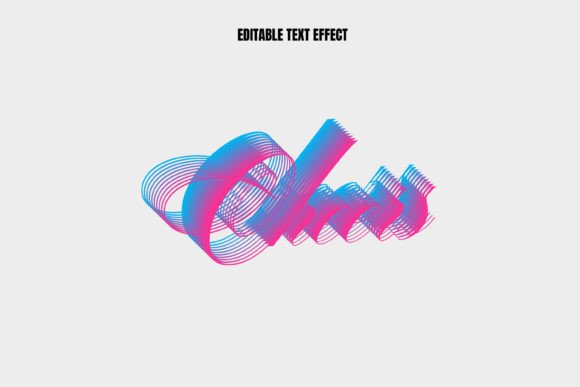
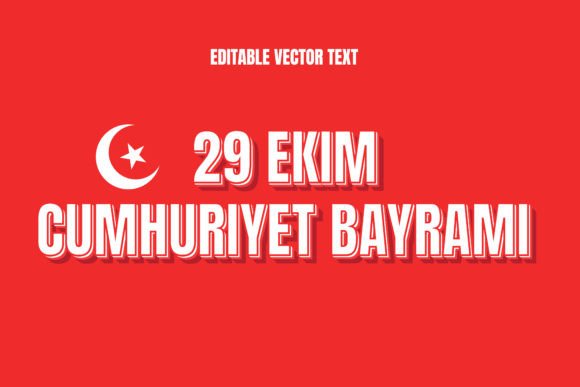
The concept of an editable text effect revolves around the ability to manipulate typographic elements in real-time without compromising the integrity of the underlying design structure. Unlike static rasterized images, where text becomes part of the pixel grid and loses its flexibility, editable effects maintain the vector or layer-based properties of the font. This allows for instantaneous changes to wording, size, color, and styling, which is crucial in fast-paced environments such as social media marketing, web development, and corporate branding. The specific designation of "29 October" often refers to a seasonal trend, a specific template release date, or a thematic collection associated with autumnal aesthetics, Halloween preparations, or end-of-quarter promotional campaigns. Regardless of its origin, the utility of this effect lies in its adaptability.
Core Characteristics of the Editable Vector Text Effect
To fully leverage the potential of the 29 October Editable Text Effect, one must first understand its technical foundation. At its core, this technique relies heavily on editable vector text effect principles. Vector graphics are defined by mathematical equations rather than pixels, meaning they can be scaled infinitely without losing quality. When applied to text, this ensures that headlines, logos, and call-to-action buttons remain crisp and clear on any device, from a small smartphone screen to a large outdoor billboard.
One of the primary characteristics of this effect is non-destructive editing. Designers can apply complex styles—such as gradients, shadows, strokes, and 3D extrusions—while keeping the text layer fully editable. This means that if a client requests a last-minute change to a headline, the designer does not need to rebuild the entire graphic. Instead, they simply update the text string, and all applied effects adjust automatically. This efficiency significantly reduces turnaround times and minimizes the risk of human error during repetitive tasks.
Furthermore, the 29 October Editable Text Effect often incorporates seasonal motifs. For instance, designers might integrate leaf patterns, spooky textures, or warm autumnal color palettes into the typography itself. These elements are typically masked or clipped to the text shape, allowing the underlying vector paths to dictate the visible area. This method ensures that the thematic elements align perfectly with the letterforms, creating a cohesive and polished look that resonates with the intended seasonal mood.
Practical Applications Across Industries
The versatility of editable text effects extends far beyond individual graphic design projects. Various sectors have found unique ways to implement these tools to enhance their operational efficiency and creative output.
Digital Marketing and Social Media
In the realm of digital marketing, speed and relevance are paramount. Social media managers often need to produce dozens of variations of a single campaign asset to test different headlines or calls to action. Using an editable vector text effect, teams can create a master template with the 29 October Editable Text Effect applied. They can then rapidly generate multiple versions of posts for platforms like Instagram, LinkedIn, and Twitter, ensuring consistent branding while optimizing for engagement. The ability to tweak text instantly allows for A/B testing of copy without the need for extensive redesign work.
E-Commerce and Promotional Campaigns
For e-commerce businesses, the period around late October is critical. It marks the transition from regular sales to major holiday shopping events like Halloween, Black Friday, and Cyber Monday. Retailers use themed text effects to create urgency and excitement. Product banners, email headers, and landing page graphics benefit greatly from high-quality, scalable typography. By utilizing editable effects, merchants can update prices, product names, and discount percentages on the fly, ensuring that their promotional materials are always accurate and visually appealing.
Education and Corporate Communications
Educators and corporate trainers also find value in these techniques. When creating presentation decks, instructional materials, or internal newsletters, the ability to maintain a consistent visual style is essential for professionalism. An editable vector text effect allows organizations to embed their brand fonts and colors into templates that non-designers can safely use. Staff members can update dates, titles, and content without worrying about breaking the layout or misaligning graphical elements. This democratization of design tools empowers teams to produce high-quality visuals without relying solely on specialized design departments.
Workflow Integration and Technical Considerations
Implementing the 29 October Editable Text Effect into a professional workflow requires a solid understanding of the software ecosystem. Most modern design applications, such as Adobe Photoshop, Illustrator, and Affinity Designer, support layer styles and vector masking that facilitate these effects. However, there are important technical considerations to keep in mind to ensure smooth operation.
First, file organization is crucial. When working with complex text effects, it is advisable to keep text layers separate from background and decorative elements. Naming layers clearly and grouping related items helps maintain clarity, especially when handing off files to other team members. Additionally, using smart objects in Photoshop or symbols in Illustrator can further enhance editability. These features allow designers to update the source content once, with changes propagating to all instances of that element throughout the document.
Second, compatibility across platforms must be considered. While vector text scales well, certain advanced effects may not render correctly in all web browsers or email clients. Therefore, it is often necessary to export final assets in multiple formats. For web use, SVG (Scalable Vector Graphics) is ideal for preserving the editable nature of the text in code, while PNG or JPEG formats are suitable for static images where interactivity is not required. Understanding when to use each format ensures that the visual impact of the editable vector text effect is preserved across all user touchpoints.
Enhancing Creativity with Seasonal Themes
The thematic aspect of the 29 October Editable Text Effect offers a unique opportunity for creative exploration. Late October is associated with a rich palette of colors and textures, including deep oranges, rustic browns, misty grays, and vibrant purples. Designers can experiment with blending modes, opacity masks, and texture overlays to infuse these seasonal qualities into their typography.
For example, a designer might create a text effect that mimics the appearance of carved pumpkins, complete with inner glows and rough edges. Alternatively, they could simulate the look of falling leaves trapped within the letterforms. These creative choices add depth and personality to the design, making it more engaging for the viewer. The key is to balance creativity with readability. While elaborate effects can be visually striking, they should not compromise the legibility of the text. Clear contrast and appropriate font selection are essential to ensure that the message remains accessible to all audiences.
Moreover, the psychological impact of seasonal design should not be underestimated. Familiar visual cues evoke emotions and associations that can enhance the effectiveness of a message. By aligning typographic styles with the current season, designers can create a sense of immediacy and relevance. This connection helps to build rapport with the audience, making the content feel more timely and pertinent to their current experiences.
Future Trends in Dynamic Typography
As technology continues to advance, the capabilities of editable text effects are expanding. The integration of artificial intelligence and machine learning into design tools is paving the way for more intelligent and responsive typography. Future iterations of the 29 October Editable Text Effect may include automated adjustments based on user behavior or environmental context. For instance, text could change color or style depending on the time of day or the user's location, providing a personalized experience that enhances engagement.
Additionally, the rise of augmented reality (AR) and virtual reality (VR) presents new frontiers for typographic design. In these immersive environments, text is no longer confined to two-dimensional surfaces. Designers will need to consider how editable text effects translate into three-dimensional spaces, ensuring that they remain legible and impactful from various angles and distances. The principles of vector scalability and non-destructive editing will remain fundamental, but the application methods will evolve to meet the demands of these new mediums.
In conclusion, the 29 October Editable Text Effect represents a powerful tool in the modern designer's arsenal. By combining technical precision with creative flair, it enables professionals to produce high-quality, adaptable, and visually compelling content. Whether used for seasonal promotions, brand consistency, or educational materials, this technique offers significant advantages in terms of efficiency and impact. As the digital landscape continues to evolve, mastering such dynamic typographic methods will be essential for anyone looking to communicate effectively in a visually driven world.