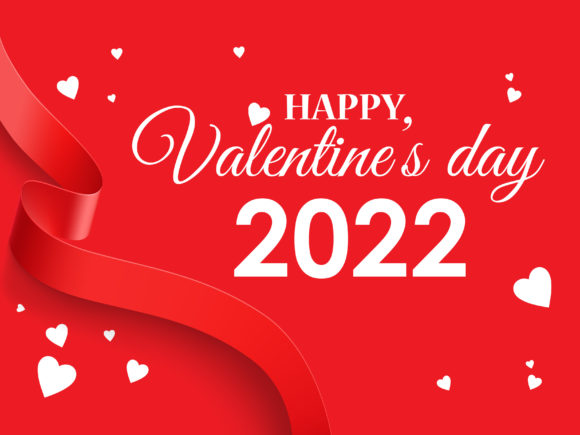
Mastering the Perfect Valentine's Card Design
The exchange of a Valentine's card is one of the most enduring traditions in modern romance and friendship. While chocolates fade and flowers wilt, a thoughtfully designed card often becomes a keepsake, tucked away in drawers or pinned to refrigerators for years. For many, the act of selecting or creating this greeting is not merely a checkbox on a holiday calendar; it is a tangible expression of emotion, effort, and personal connection. In an increasingly digital world, the tactile nature of a physical card carries weight that emojis and text messages simply cannot replicate.
However, the landscape of card creation has shifted dramatically. It is no longer limited to browsing aisles at a drugstore. Today, creators, entrepreneurs, and hobbyists alike are turning to digital assets to produce custom Valentine's greeting card designs that stand out. Understanding how to leverage these resources effectively requires looking beyond the surface level of aesthetics and considering the practical applications for different users.
The Evolution of Digital Design Assets
When we discuss modern card design, we are often talking about versatile digital files. A typical professional package might include a variety of formats to ensure compatibility across different software and printing methods. For instance, a comprehensive zip file for a design project often includes vector and raster formats such as AI (Adobe Illustrator), EPS (Encapsulated PostScript), and JPEG (Joint Photographic Experts Group).
Why does this matter? The inclusion of multiple file types speaks directly to the needs of diverse users. An AI file allows for infinite scalability without loss of quality, making it ideal for large-format prints or intricate edits. An EPS file ensures compatibility with older vector software and professional printing presses. Meanwhile, a high-resolution JPEG offers immediate usability for web-based projects or quick home printing. This versatility transforms a simple image into a robust tool for creation.
Perspectives from Different Creators
The value of a well-structured design asset varies significantly depending on who is holding the mouse. Let us explore how different audiences approach the task of creating a Valentine's card.
The Small Business Owner and Entrepreneur
For entrepreneurs, particularly those in print-on-demand or handmade goods sectors, time is currency. A small business owner selling custom stationery or apparel needs assets that are ready for commercial use. They are not just looking for a pretty picture; they are evaluating the commercial value and reliability of the file.
Consider a shop owner who wants to expand their product line for February. With a single purchase of a multi-format zip file, they can apply the same core design to a range of products. They might use the vector files to print high-quality Invitations or premium greeting cards. Simultaneously, they can adapt the design for T-Shirts, ensuring the lines remain crisp regardless of the garment size. The ability to repurpose one asset across multiple revenue streams is a critical efficiency driver for small businesses.
The Hobbyist and DIY Enthusiast
On the other end of the spectrum, the hobbyist approaches design with a focus on creativity and personalization. They may not have access to professional-grade software, but they still desire a polished look. For this group, the JPEG files included in a design package are often the most valuable. These files can be easily imported into user-friendly online design platforms or basic photo editors.
A hobbyist might use these assets to create unique Cell Phone Covers as gifts for friends, or to design custom Magnets for family members. The priority here is ease of use. They want a result that looks professional without requiring a steep learning curve in graphic design theory. The availability of pre-made, high-quality elements allows them to focus on the sentiment behind the gift rather than the technicalities of layer management.
The Professional Designer
Professional designers evaluate assets based on flexibility and quality. They need files that can be deconstructed and rebuilt. An EPS or AI file allows them to isolate specific elements—perhaps changing the color palette to match a client’s brand or adjusting the typography to suit a specific tone. For a marketer or freelancer working on a campaign, these files serve as a foundation. They might use the core graphics to build a cohesive visual identity that spans Website Design, social media posts, and physical mailers.
Professionals also consider the long-term usefulness of the asset. A well-designed vector graphic is not limited to one holiday. With minor tweaks, a heart-themed motif can be adapted for anniversaries, weddings, or general love-themed campaigns throughout the year. This adaptability increases the return on investment for the designer.
Practical Applications Beyond the Card
While the primary intent may be a Valentine's greeting card, the utility of these digital assets extends far further. The modern creator understands that content must be omnichannel. Here is how a single design package can populate an entire marketing ecosystem:
- Digital Albums: Use the graphics as overlays or background elements in digital scrapbooks or photo albums, preserving memories with a thematic touch.
- Website Design: Incorporate subtle design elements into headers, banners, or blog post featured images to seasonally update a brand’s online presence.
- Invitations: Scale vector files to create elegant event invitations for Galentine’s parties, proposal celebrations, or wedding save-the-dates.
- Apparel and Accessories: Apply designs to T-Shirts, tote bags, or Cell Phone Covers, turning personal expressions into wearable art.
This cross-platform applicability is crucial for marketers and bloggers who need to maintain visual consistency. By using the same core assets across different mediums, they reinforce brand recognition and create a cohesive user experience.
Evaluating Quality and Usability
When selecting design resources for your next project, several factors should guide your decision. First, consider the resolution. For print products like cards and magnets, high DPI (dots per inch) is non-negotiable. Blurry edges ruin the perceived value of a handmade item. Vector files (AI and EPS) solve this issue by using mathematical paths rather than pixels, ensuring sharpness at any size.
Second, assess the ease of editing. Are the layers organized? Is the text editable or outlined? For beginners, a file that is too complex can be discouraging. For professionals, a file that is poorly organized can be time-consuming to clean up. Look for assets that strike a balance, offering structure without restricting creativity.
Finally, think about licensing and rights. If you are a business owner, ensure that the assets you purchase allow for commercial use. Many free resources come with restrictions that prohibit selling products made with their designs. Investing in properly licensed assets protects your business and supports the original creators.
Finding the Right Fit for Your Goals
Ultimately, the best design tool is the one that aligns with your specific goals and skill level. If you are a consumer looking to make a single, heartfelt card for a partner, a simple JPEG edited in a basic app may be sufficient. If you are a freelancer building a portfolio, working with AI and EPS files will demonstrate your technical proficiency. If you are a small business owner, the ability to scale a design from a business card to a banner ad is essential for growth.
The beauty of modern digital design lies in its accessibility. Whether you are a seasoned illustrator or someone who has never opened a design program, there are tools and assets available to help you express your sentiments. By understanding the strengths of different file formats and the diverse ways they can be applied, you can create a Valentine's card that is not just a gesture, but a memorable piece of art.
As you plan your next creative project, take a moment to consider the broader potential of your assets. Do not limit yourself to a single output. Explore how a single design can breathe life into invitations, apparel, digital spaces, and keepsakes. In doing so, you maximize both the emotional impact of your work and its practical value.