Mastering Visual Branding: A Guide to Using Home Garden Social Media Post Templates
In the vibrant world of digital marketing, visual consistency is not just a luxury; it is a necessity. For businesses in the home and garden sector, where aesthetics play a pivotal role in customer engagement, having a reliable design strategy is crucial. This is where a Home Garden Social Media Post Template becomes an invaluable asset. Whether you are a landscape architect, a plant nursery owner, or a DIY gardening influencer, understanding how to leverage pre-designed templates can transform your online presence from chaotic to cohesive.
This article explores the significance of using professional templates, breaks down their technical features, and provides practical advice on how to customize them effectively. By the end, you will understand why these tools are essential for modern business communication and how they can save you time while elevating your brand identity.
The Strategic Value of Pre-Designed Templates
Many small business owners assume that creating social media content requires advanced graphic design skills or a hefty budget for a dedicated design team. This is a common misconception. In reality, the most effective social media strategies rely on consistency and efficiency. A well-structured template provides both.
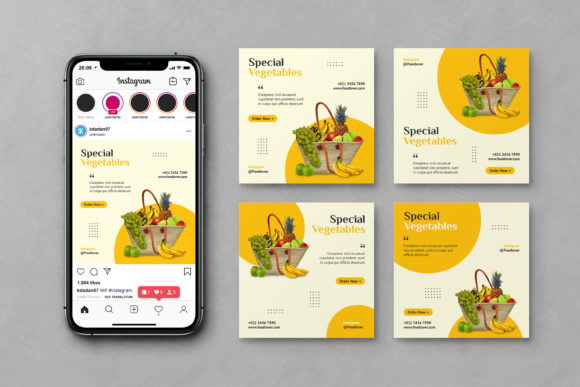
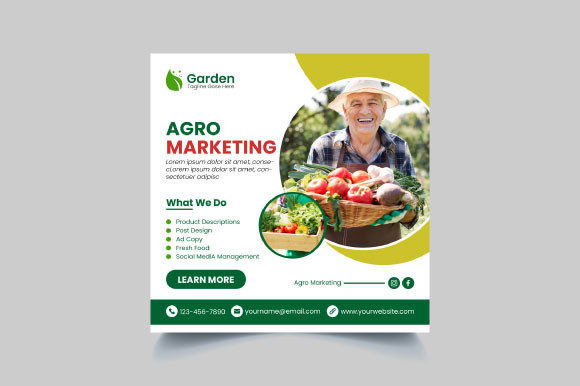
When you use a clean, eye-catchy Home Garden Social Media Post Template, you are establishing a visual language for your audience. Over time, followers begin to recognize your posts instantly, even before they read the text. This brand recognition builds trust and authority. Furthermore, templates eliminate the "blank canvas paralysis" that often delays content creation. Instead of wondering where to place text or which colors to use, you simply plug in your message, ensuring that every post looks professional and polished.
Why the Home and Garden Niche Benefits from Visual Structure
The home and garden industry is inherently visual. Customers are drawn to lush greenery, beautifully arranged patios, and vibrant floral displays. However, without proper design structure, even the most beautiful photograph can look cluttered or unprofessional if overlaid with poorly chosen fonts or disjointed graphics. A template ensures that your imagery remains the hero while your text provides clear, readable context. This balance is critical for driving engagement, whether the goal is to sell products, book consultations, or share educational tips.
Deconstructing the Template: Features and Specifications
To make the most of a design asset, it is important to understand its technical foundation. A high-quality Home Garden Social Media Post Template is not just a pretty picture; it is a functional tool built with specific parameters to ensure compatibility and ease of use. Let’s look at the standard features found in professional-grade templates.
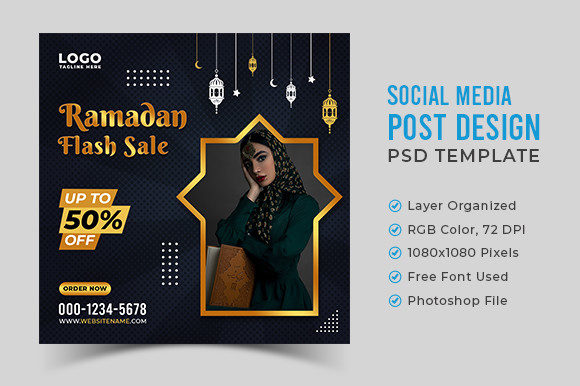
- Dimensions and Resolution: Most modern templates are sized at 1080×1080 pixels. This square format is the gold standard for Instagram feeds and Facebook posts, ensuring optimal display across devices. The color mode is typically set to RGB (Red, Green, Blue), which is designed for screen viewing, unlike CMYK which is used for print. Additionally, a resolution of 72 DPI (dots per inch) is standard for web graphics, keeping file sizes manageable for quick loading times.
- File Formats: Versatility is key. Professional templates usually include multiple file formats such as AI (Adobe Illustrator), EPS, and JPG. The AI and EPS files are vector-based, meaning they can be scaled without losing quality, and they allow for deep customization of individual elements. The JPG file serves as a quick reference or a ready-to-use background if minimal editing is required.
- Font Accessibility: A major pain point for non-designers is missing fonts. High-quality templates address this by using free, commercially available fonts. Typically, a help file is included with a download link for these fonts, ensuring that the design looks exactly as intended on your computer.
How to Customize Your Template Effectively
One of the primary selling points of a good template is that it is easy to edit. You do not need to be a graphic design expert to make it your own. Knowing the very basics of software like Adobe Illustrator is sufficient. Here is a step-by-step approach to customizing your home garden posts.
- Open the Source File: Start by opening the AI or EPS file in your preferred design software. Ensure all layers are unlocked and visible.
- Replace the Imagery: Most templates have designated frames for images. Drag and drop your high-quality garden photos into these frames. Ensure your images are bright and relevant to the text you plan to add.
- Edit the Text: Click on the text boxes to update the content. Keep your messaging concise. For example, instead of writing a long paragraph about soil health, use a punchy headline like "Top 3 Tips for Healthy Soil" and use bullet points for the details.
- Adjust Colors (Optional): While the template comes with a pre-selected color palette, you may want to align it with your brand colors. Use the eyedropper tool to sample your brand’s hex codes and apply them to backgrounds or text elements.
- Export for Web: Once satisfied, export your final design as a PNG or JPG. Ensure the quality setting is high to maintain clarity on high-resolution screens.
Common Mistakes to Avoid
Even with a template, errors can occur. One frequent mistake is overcrowding the design. Remember, social media users scroll quickly. Your message needs to be digestible in seconds. Another error is ignoring contrast. If you place light text over a busy garden background, it will be unreadable. Always use overlays or adjust opacity to ensure legibility.
Integrating Templates into Your Content Strategy
Having a template is only the first step. To truly benefit from it, you must integrate it into a broader content strategy. Consider creating a series of posts using the same template structure but varying the content. For instance, you could have a "Plant of the Week" series, a "DIY Weekend Project" series, or a "Customer Spotlight" series. This repetition reinforces your brand identity and gives your audience something consistent to look forward to.
Moreover, these templates are not limited to static posts. They can serve as the foundation for carousel posts, where each slide follows the same visual theme, guiding the user through a tutorial or a listicle. This approach increases dwell time on your posts, which is a positive signal to social media algorithms.
Support and Community Feedback
When purchasing or downloading digital assets, support is a critical component of the experience. Reputable creators often provide a help information file and direct support channels. If you encounter issues with layer organization or font installation, do not hesitate to reach out via the creator’s profile. Constructive feedback is also vital. Rating items and leaving comments helps creators improve their products and assists other buyers in making informed decisions. Engaging with the creator community fosters a supportive ecosystem where resources continue to evolve and improve.
Conclusion
A Home Garden Social Media Post Template is more than just a design shortcut; it is a strategic tool for building a recognizable and professional brand. By understanding the technical specifications, such as RGB color modes and vector file formats, and by mastering the basics of customization, you can create stunning content that resonates with your audience. Whether you are a seasoned marketer or a beginner, leveraging these templates allows you to focus on what matters most: sharing your passion for home and gardening with the world. Embrace the efficiency, maintain the consistency, and watch your digital presence bloom.